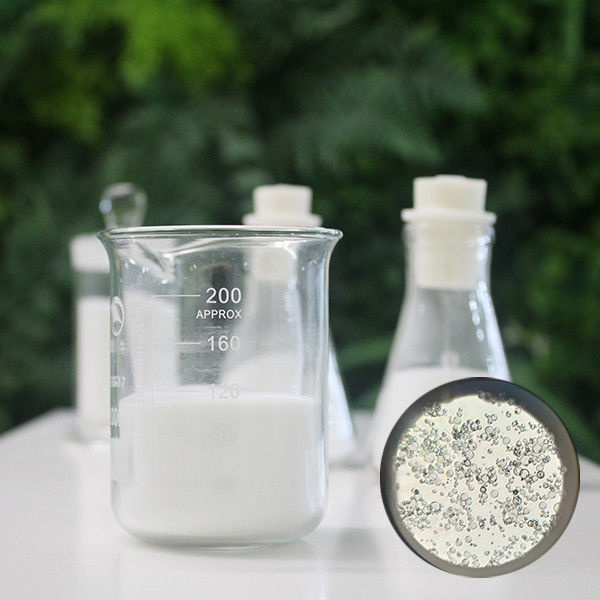
उत्पाद विवरण:
ग्लास माइक्रोबैलून्स खोखले कांच के माइक्रोस्फीयर का एक विशेष प्रकार है जिसे विभिन्न औद्योगिक अनुप्रयोगों में उत्कृष्ट थर्मल इन्सुलेशन, हल्के गुण और बढ़ी हुई ताकत प्रदान करने के लिए डिज़ाइन किया गया है। ये माइक्रोबैलून्स 600°C तक उच्च तापमान का सामना करने के लिए इंजीनियर किए गए हैं, जिससे वे मांग वाले वातावरण में उपयोग के लिए उपयुक्त हैं जहाँ थर्मल प्रतिरोध महत्वपूर्ण है। ग्लास माइक्रोबैलून्स की अनूठी संरचना और भौतिक विशेषताएं उन्हें कंपोजिट, चिपकने वाले, कोटिंग्स और हल्के निर्माण सामग्री में एक प्रभावी भराव सामग्री के रूप में काम करने में सक्षम बनाती हैं।
इन ग्लास माइक्रोबैलून्स का व्यास 20 से 75 माइक्रोमीटर (μm) तक होता है, जिससे सामग्री के घनत्व और सतह क्षेत्र पर सटीक नियंत्रण की अनुमति मिलती है। यह आकार सीमा यांत्रिक प्रदर्शन और थर्मल इन्सुलेशन के बीच संतुलन प्राप्त करने के लिए इष्टतम है। गोलाकार आकार और समान आकार वितरण विभिन्न मैट्रिक्स में उनकी उत्कृष्ट प्रवाह क्षमता और फैलाव में आसानी में योगदान करते हैं। यह अंतिम उत्पाद में लगातार प्रदर्शन और उच्च-गुणवत्ता वाले परिणाम सुनिश्चित करता है।
रासायनिक रूप से, ग्लास माइक्रोबैलून्स मुख्य रूप से सिलिकॉन डाइऑक्साइड (SiO2) से बने होते हैं, जिसमें सोडियम ऑक्साइड (Na2O), कैल्शियम ऑक्साइड (CaO), मैग्नीशियम ऑक्साइड (MgO), और एल्यूमीनियम ऑक्साइड (Al2O3) जैसे अतिरिक्त घटक होते हैं। यह विशिष्ट रासायनिक संरचना विभिन्न परिस्थितियों में स्थायित्व और रासायनिक स्थिरता प्रदान करती है। मुख्य घटक के रूप में SiO2 की उपस्थिति ग्लास माइक्रोबैलून्स को उनकी अंतर्निहित ताकत और रासायनिक हमले के प्रतिरोध प्रदान करती है, जबकि अन्य ऑक्साइड थर्मल स्थिरता और संरचनात्मक अखंडता में योगदान करते हैं।
इन माइक्रोबैलून्स की महत्वपूर्ण विशेषताओं में से एक उनकी कम तापीय चालकता है, जिसे लगभग 0.2 W/m·K मापा जाता है। यह कम तापीय चालकता उन्हें तापीय इन्सुलेटर के रूप में अत्यधिक प्रभावी बनाती है। जब सामग्री में शामिल किया जाता है, तो वे गर्मी हस्तांतरण को काफी कम कर देते हैं, जिससे वे तापमान विनियमन या थर्मल प्रबंधन की आवश्यकता वाले अनुप्रयोगों के लिए आदर्श बन जाते हैं। 0.2 की तापीय चालकता सुनिश्चित करती है कि ग्लास माइक्रोबैलून्स का उपयोग करने वाले उत्पाद लंबे समय तक उच्च तापमान के संपर्क में रहने पर भी प्रदर्शन बनाए रख सकते हैं।
ग्लास माइक्रोबैलून्स का वास्तविक घनत्व 0.58 और 0.62 g/cm³ के बीच होता है, जो कई पारंपरिक फिलर्स की तुलना में काफी कम है। यह कम घनत्व कंपोजिट और सामग्री की समग्र हल्की प्रकृति में योगदान देता है जिसमें ये माइक्रोबैलून्स शामिल होते हैं। ताकत या स्थायित्व से समझौता किए बिना वजन कम करके, वे उत्पादों की दक्षता और प्रदर्शन को बेहतर बनाने में मदद करते हैं, खासकर एयरोस्पेस, ऑटोमोटिव और समुद्री उद्योगों में जहां वजन कम करना सर्वोपरि है।
ग्लास माइक्रोबैलून्स अपने अद्वितीय गुणों के संयोजन के कारण विभिन्न प्रकार के अनुप्रयोगों में व्यापक रूप से उपयोग किए जाते हैं। कंपोजिट के क्षेत्र में, उनका उपयोग यांत्रिक गुणों और थर्मल इन्सुलेशन को बढ़ाते हुए वजन कम करने के लिए किया जाता है। कोटिंग्स और चिपकने वाले पदार्थों में, वे कार्यक्षमता में सुधार करते हैं, संकोचन को कम करते हैं, और थर्मल प्रतिरोध को बढ़ाते हैं। इसके अतिरिक्त, उनकी रासायनिक निष्क्रियता उन्हें कठोर रासायनिक वातावरण में उपयोग के लिए उपयुक्त बनाती है, जिससे लंबे समय तक चलने वाला प्रदर्शन सुनिश्चित होता है।
उत्पाद की 600°C तक तापमान पर स्थिरता और प्रदर्शन बनाए रखने की क्षमता निर्माण, ऑटोमोटिव और एयरोस्पेस जैसे उद्योगों में विशेष रूप से मूल्यवान है, जहां सामग्री अक्सर उच्च गर्मी के संपर्क में आती है। 20-75 μm का व्यास रेंज फॉर्म्युलेटर्स को उनके विशिष्ट अनुप्रयोगों के लिए इष्टतम आकार का चयन करने की अनुमति देता है, जिससे थर्मल इन्सुलेशन, यांत्रिक शक्ति और कार्यक्षमता का सर्वोत्तम संतुलन सुनिश्चित होता है।
संक्षेप में, ग्लास माइक्रोबैलून्स एक उन्नत सामग्री समाधान हैं जो 600°C तक असाधारण तापमान प्रतिरोध, 20-75 μm का एक आदर्श व्यास रेंज, और SiO2, Na2O, CaO, MgO, और Al2O3 सहित एक मजबूत रासायनिक संरचना प्रदान करते हैं। उनकी कम तापीय चालकता 0.2 और 0.58 और 0.62 के बीच वास्तविक घनत्व उन्हें विभिन्न औद्योगिक अनुप्रयोगों में वजन कम करने और थर्मल इन्सुलेशन बढ़ाने के लिए एक उत्कृष्ट विकल्प बनाते हैं। चाहे कंपोजिट, चिपकने वाले, या कोटिंग्स में उपयोग किया जाए, ग्लास माइक्रोबैलून्स विश्वसनीय प्रदर्शन और स्थायित्व प्रदान करते हैं, जिससे निर्माताओं को उच्च-गुणवत्ता, कुशल और नवीन उत्पाद प्राप्त करने में मदद मिलती है।
विशेषताएं:
-
उत्पाद का नाम: ग्लास माइक्रोबैलून्स
-
सामग्री: ग्लास
-
रासायनिक संरचना: SiO2, Na2O, CaO, MgO, Al2O3
-
संपीड़न शक्ति: 100 MPa तक
-
तापीय चालकता: 0.05 W/m·K
-
आकार: गोलाकार
-
1 उत्कृष्ट इन्सुलेटिंग गुण और 2 उच्च शक्ति विशेषताएँ प्रदान करता है
-
स्थायित्व और हल्के प्रकृति को सुनिश्चित करने वाले 2 प्रमुख घटक शामिल हैं
तकनीकी पैरामीटर:
|
सामग्री
|
ग्लास
|
|
औसत व्यास
|
10-100 माइक्रोमीटर
|
|
रासायनिक प्रतिरोध
|
अधिकांश रसायनों के प्रति अच्छा प्रतिरोध
|
|
अनुप्रयोग
|
हल्के फिलर्स, इन्सुलेशन, कंपोजिट, सिंथेटिक फोम
|
|
रंग
|
सफेद या ऑफ-व्हाइट
|
|
तापीय चालकता
|
0.2
|
|
व्यास
|
20-75 μm
|
|
रासायनिक संरचना
|
SiO2, Na2O, CaO, MgO, Al2O3
|
|
तापमान प्रतिरोध
|
600°C तक
|
|
आकार
|
गोलाकार
|
अनुप्रयोग:
ग्लास माइक्रोबैलून्स अपने अद्वितीय गुणों और अनुप्रयोगों की विस्तृत श्रृंखला के लिए जाने जाने वाले बहुमुखी सामग्री हैं। मुख्य रूप से ग्लास से बनी, जिसमें SiO2, Na2O, CaO, MgO, और Al2O3 सहित रासायनिक संरचना होती है, इन माइक्रोबैलून्स में उत्कृष्ट रासायनिक प्रतिरोध होता है, जिससे वे उन वातावरणों के लिए उपयुक्त होते हैं जिन्हें विभिन्न रसायनों के खिलाफ स्थायित्व की मांग होती है। उनका वास्तविक घनत्व 0.58 से 0.62 तक होता है, और उनमें 10 से 100 माइक्रोमीटर के बीच औसत व्यास होता है, जो विभिन्न मैट्रिक्स और सिस्टम में आसान एकीकरण की अनुमति देता है।
ग्लास माइक्रोबैलून्स के प्राथमिक अनुप्रयोग अवसरों में से एक हल्के कंपोजिट के निर्माण में है। उनके कम घनत्व और अच्छे रासायनिक प्रतिरोध के कारण, उनका व्यापक रूप से एयरोस्पेस और ऑटोमोटिव उद्योगों में ताकत या स्थायित्व से समझौता किए बिना भागों के समग्र वजन को कम करने के लिए उपयोग किया जाता है। इन क्षेत्रों में, ग्लास माइक्रोबैलून्स का जोड़ संरचनात्मक घटकों के वजन को कम करके ईंधन दक्षता और प्रदर्शन को बढ़ाता है।
ग्लास माइक्रोबैलून्स के उपयोग के लिए एक और महत्वपूर्ण परिदृश्य निर्माण सामग्री के क्षेत्र में है। थर्मल इन्सुलेशन में सुधार और सामग्री घनत्व को कम करने के लिए उन्हें अक्सर सीमेंट, प्लास्टर और अन्य निर्माण सामग्री में शामिल किया जाता है। यह न केवल इमारतों की ऊर्जा दक्षता को बढ़ाता है बल्कि निर्माण सामग्री के आसान संचालन और परिवहन में भी योगदान देता है। उनका रासायनिक प्रतिरोध सुनिश्चित करता है कि माइक्रोबैलून्स समय के साथ स्थिरता बनाए रखें, भले ही कठोर पर्यावरणीय परिस्थितियों के संपर्क में हों।
ग्लास माइक्रोबैलून्स कोटिंग्स और सीलेंट के उत्पादन में भी महत्वपूर्ण अनुप्रयोग पाते हैं। उनका गोलाकार आकार और आकार वितरण (10-100 माइक्रोमीटर) बेहतर अनुप्रयोग गुणों में योगदान करते हैं, जैसे कि चिकनी फिनिश और बढ़ी हुई स्थायित्व। ये माइक्रोबैलून्स रासायनिक हमले के उत्कृष्ट प्रतिरोध प्रदान करते हैं, जो विशेष रूप से औद्योगिक कोटिंग्स में मूल्यवान है जो आक्रामक पदार्थों का सामना करना चाहिए।
संक्षेप में, ग्लास माइक्रोबैलून्स हल्के, रासायनिक रूप से प्रतिरोधी फिलर्स या एडिटिव्स की आवश्यकता वाले अवसरों और परिदृश्यों के लिए आदर्श हैं। उनके अद्वितीय सामग्री गुण, जिसमें 0.58-0.62 का वास्तविक घनत्व और SiO2, Na2O, CaO, MgO, और Al2O3 को शामिल करने वाली रासायनिक संरचना शामिल है, उन्हें एयरोस्पेस, ऑटोमोटिव, निर्माण और कोटिंग्स जैसे उद्योगों में अनिवार्य बनाते हैं। चाहे कंपोजिट, इन्सुलेशन सामग्री, या सुरक्षात्मक कोटिंग्स में उपयोग किया जाए, ग्लास माइक्रोबैलून्स प्रदर्शन लाभ प्रदान करते हैं जो उन्नत विनिर्माण और इंजीनियरिंग अनुप्रयोगों के लिए महत्वपूर्ण हैं।
अक्सर पूछे जाने वाले प्रश्न:
Q1: ग्लास माइक्रोबैलून्स का उपयोग किस लिए किया जाता है?
A1: ग्लास माइक्रोबैलून्स का उपयोग मुख्य रूप से कंपोजिट, चिपकने वाले और कोटिंग्स में हल्के फिलर्स के रूप में घनत्व को कम करने और इन्सुलेशन गुणों में सुधार करने के लिए किया जाता है।
Q2: ग्लास माइक्रोबैलून्स का विशिष्ट आकार सीमा क्या है?
A2: ग्लास माइक्रोबैलून्स की विशिष्ट आकार सीमा 10 से 200 माइक्रोमीटर के बीच होती है, जो विशिष्ट ग्रेड पर निर्भर करती है।
Q3: क्या ग्लास माइक्रोबैलून्स अधिकांश रेजिन और पॉलिमर के साथ संगत हैं?
A3: हाँ, ग्लास माइक्रोबैलून्स रासायनिक रूप से निष्क्रिय होते हैं और एपॉक्सी, पॉलिएस्टर और विनाइल एस्टर सहित रेजिन और पॉलिमर की एक विस्तृत श्रृंखला के साथ संगत होते हैं।
Q4: ग्लास माइक्रोबैलून्स कंपोजिट सामग्री की ताकत और वजन को कैसे प्रभावित करते हैं?
A4: ग्लास माइक्रोबैलून्स कंपोजिट के समग्र वजन को कम करते हैं जबकि अच्छी संपीड़न शक्ति बनाए रखते हैं, जिससे सामग्री स्थायित्व से महत्वपूर्ण रूप से समझौता किए बिना हल्की हो जाती है।
Q5: ग्लास माइक्रोबैलून्स को संभालते समय क्या सावधानियां बरतनी चाहिए?
A5: ग्लास माइक्रोबैलून्स को संभालते समय, साँस लेने और त्वचा के संपर्क से बचने के लिए मास्क और दस्ताने जैसे उपयुक्त व्यक्तिगत सुरक्षा उपकरण का उपयोग करने की सलाह दी जाती है, क्योंकि पाउडर महीन और हवा में उड़ने वाला हो सकता है।


 आपका संदेश 20-3,000 अक्षरों के बीच होना चाहिए!